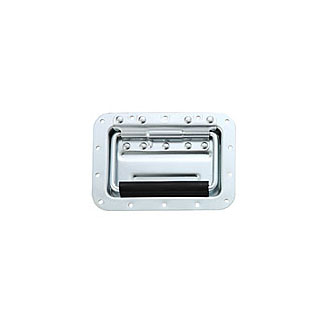
Recessed Handles manufacturer
Recessed handles are a fundamental component in various industries, seamlessly combining functionality and style. Whether in kitchen cabinets, furniture pieces, electronic devices, or industrial equipment, recessed handles play a crucial role in providing a convenient grip while maintaining a clean and sleek appearance. In this article, we delve into the world of recessed handle manufacturers, uncovering their importance, design versatility, and the factors to consider when choosing the right supplier.
The Significance of Recessed Handles:
Recessed handles, also known as flush handles or embedded handles, are designed to be subtly integrated into the surface of an object. This integration serves multiple purposes, primarily focusing on usability and aesthetics. These handles eliminate protrusions, preventing any accidental snags while enhancing the overall design by creating a smooth and uninterrupted surface.
Manufacturing Expertise:
Recessed handle manufacturers are skilled craftsmen who specialize in producing these functional and stylish components. The manufacturing process involves precision engineering, utilizing materials such as metal, plastic, or even wood, depending on the application. Manufacturers prioritize the ergonomic aspects of the handle's design, ensuring that users can easily grasp and operate the handle.
Design Versatility:
One of the standout features of recessed handles is their design versatility. Manufacturers offer a wide range of styles, sizes, and finishes to suit various needs. From minimalist and modern designs that align with contemporary aesthetics to more intricate patterns that add a touch of elegance, recessed handle manufacturers cater to diverse preferences. This adaptability allows these handles to seamlessly blend into any environment, be it a high-tech device or a classic piece of furniture.
Factors to Consider When Choosing a Manufacturer:
When searching for recessed handle manufacturers, several factors should be taken into account:
Quality: Opt for manufacturers known for producing high-quality handles that are durable and resistant to wear and tear.
Materials: Consider the material used in manufacturing. The choice of material impacts the handle's durability and appearance.
Customization: Look for manufacturers that offer customization options, allowing you to tailor the handles to your specific requirements.
Design Expertise: Research the manufacturer's design capabilities and portfolio to ensure they can deliver handles that align with your vision.
Production Capacity: Depending on your project's scale, ensure the manufacturer can meet your quantity and timeline requirements.
Reviews and Reputation: Check reviews and testimonials from previous clients to gauge the manufacturer's reputation and reliability.
Cost: While cost is a factor, prioritize quality and functionality over price to ensure a long-lasting product.
Conclusion:
Recessed handles have evolved from mere functional components to design elements that enhance user experience and aesthetics. Recessed handle manufacturers are instrumental in shaping these components, combining their technical expertise with creative design to create handles that seamlessly merge into the products they adorn. As you embark on your journey to find the right recessed handle manufacturer, remember to prioritize quality, design versatility, and customization options to ensure the perfect blend of functionality and style.
Introduction:
In the realm of design and engineering, recessed handles stand as a testament to the harmonious fusion of form and function. These unobtrusive yet indispensable components find their home in an array of products, ranging from modern furniture and electronic devices to industrial machinery. In this article, we embark on a journey to uncover the intricacies of recessed handle manufacturing, highlighting their impact, innovation, and the considerations essential to selecting the right manufacturer.
The Evolution and Influence of Recessed Handles:
Recessed handles have traversed the evolution of design trends, proving their resilience in both traditional and contemporary contexts. These handles not only provide ergonomic advantages but also wield influence over the overall aesthetics of a product. The understated elegance of a recessed handle complements minimalist designs, while its adaptability allows for seamless integration into elaborate structures.
The Art of Manufacturing Recessed Handles:
Behind the scenes, recessed handle manufacturers employ a blend of artistry and engineering prowess. The manufacturing process entails meticulous precision, from selecting the appropriate materials—ranging from robust metals to lightweight composites—to employing cutting-edge technology for fabrication. Expert craftsmen meticulously calibrate dimensions, ensuring that the handle aligns with the intended design while optimizing user comfort.
Design Versatility and Customization:
One of the captivating facets of recessed handles lies in their versatile design options. Manufacturers offer an array of profiles, finishes, and sizes, empowering designers and architects with the freedom to accentuate their creations. Whether it's a discreet touch for a high-tech device or an ornate flourish for classic furniture, the design possibilities are boundless. Moreover, reputable manufacturers cater to customization requests, enabling clients to imprint their unique identity on the handles.
Key Factors in Manufacturer Selection:
When embarking on the quest to find a recessed handle manufacturer, several pivotal factors warrant consideration:
Material Excellence: Prioritize manufacturers renowned for sourcing and working with high-quality materials, ensuring durability and longevity.
Innovation Hub: Seek out manufacturers that continually innovate their processes, materials, and designs to stay abreast of industry trends.
Collaborative Design: Opt for manufacturers capable of collaborative design, turning concepts into tangible masterpieces through meticulous planning and consultation.
Production Scalability: Depending on project scale, evaluate the manufacturer's production capacity and flexibility to meet varying demands.
Testimonials and Reviews: Engage with the experiences of past clients through reviews and testimonials, gauging the manufacturer's reputation and customer satisfaction.
Global Footprint: If necessary, explore manufacturers with a global presence, facilitating streamlined logistics and access to diverse markets.
Ethical and Sustainable Practices: Consider manufacturers committed to ethical and sustainable manufacturing practices, contributing to a greener future.
Conclusion:
Recessed handles are not mere appendages but intrinsic components that seamlessly bridge utility and design. Recessed handle manufacturers, with their adeptness in craftsmanship and innovation, propel these unassuming features into the forefront of aesthetic and functional excellence. As you embark on the journey to find the ideal recessed handle manufacturer, bear in mind the significance of quality, design flexibility, and collaboration, ultimately ushering forth a harmonious union of form and function in your creations.
Introduction:
Recessed handles, the unassuming yet essential components of modern design, exemplify the convergence of practicality and artistic finesse. From industrial machinery to household appliances, these discreet marvels offer a seamless blend of form and function. This exploration into the world of recessed handle manufacturers delves deeper into their creative ingenuity, production intricacies, and the factors that guide your search for the perfect partner.
The Craftsmanship Behind Recessed Handles:
Recessed handle manufacturers are the architects of innovation, shaping products with precision and flair. Melding craftsmanship and engineering, they meticulously transform raw materials into ergonomic masterpieces. The manufacturing process involves a delicate balance of design acumen and technical prowess, as manufacturers navigate the challenges of material selection, machining techniques, and assembly.
Design Diversity and Ingenuity:
At the heart of recessed handle manufacturing lies the playground of design diversity. Manufacturers offer an array of shapes, sizes, and finishes, accommodating a wide spectrum of styles. From the sleek and understated to the ornate and decorative, recessed handles can be tailored to seamlessly complement various aesthetics. Moreover, these manufacturers are adept at adapting their designs to suit specific applications, from automotive interiors to architectural marvels.
Navigating the Manufacturer Selection Process:
As you embark on the quest to find the right recessed handle manufacturer, several pivotal considerations come into play:
Material Expertise: Look for manufacturers well-versed in working with a range of materials, ensuring the handles are not only visually appealing but also robust and durable.
Innovative Spirit: Choose manufacturers that embrace innovation, leveraging modern technologies and methodologies to continually refine their products.
Customization Capabilities: Opt for manufacturers with a knack for customization, enabling you to realize your unique design visions.
Quality Assurance: Prioritize manufacturers with stringent quality control measures in place, guaranteeing consistent excellence across their products.
Collaborative Approach: Seek partners who value collaboration, offering insights and expertise to enhance the final product.
Sustainability Initiatives: Consider manufacturers committed to sustainable practices, contributing to environmental responsibility.
Global Reach: If your project requires international reach, explore manufacturers with a global footprint to facilitate seamless distribution.
Conclusion:
Recessed handles, though often overshadowed by more conspicuous elements, play a pivotal role in the harmony of design and functionality. Behind these unassuming features stand manufacturers who are both artisans and engineers, breathing life into products through their craftsmanship. In your search for the ideal recessed handle manufacturer, remember to embrace design versatility, prioritize innovation and quality, and foster collaborative partnerships that culminate in products that redefine the boundaries of form and function.
Introduction:
In the tapestry of design, recessed handles emerge as hidden gems, seamlessly blending utility and aesthetics. These unobtrusive yet crucial components find their place in various realms, from modern interior décor to cutting-edge electronics. This journey into the realm of recessed handle manufacturers uncovers the nuances of their craft, their role in design evolution, and the essential factors to consider when seeking the perfect partner.
Manufacturing Mastery: Transforming Function into Artistry
Recessed handle manufacturers are the unsung architects behind the artful marriage of form and function. Their expertise marries engineering precision with artistic sensibility. Crafting these handles involves an intricate dance of material selection, fabrication techniques, and ergonomic considerations. From the choice of metals to the molding of plastics, every element is calibrated to yield both a comfortable grip and an aesthetically pleasing design.
Diverse Design Horizons: Where Imagination Takes Flight
The realm of recessed handle design is a canvas of limitless possibilities. Manufacturers offer an expansive palette of shapes, sizes, and finishes, allowing designers to tailor their creations to perfection. Whether seeking a minimalist touch for modern gadgets or an embellished flourish for classic furniture, recessed handle manufacturers possess the versatility to breathe life into diverse design visions.
Navigating the Selection Process: A Quest for Excellence
Selecting the right recessed handle manufacturer involves a meticulous evaluation of key factors:
Material Mastery: Prioritize manufacturers well-versed in handling a range of materials, ensuring that your chosen handles boast durability and visual appeal.
Innovation Nexus: Partner with manufacturers committed to innovation, incorporating cutting-edge technologies to elevate their designs.
Bespoke Brilliance: Choose manufacturers with the capacity to customize, enabling the realization of your unique design aspirations.
Quality Guardianship: Align with manufacturers who uphold rigorous quality control, ensuring consistency and excellence across their products.
Collaborative Harmony: Seek partners who value collaboration, forging relationships where expertise and creativity intertwine.
Eco-Conscious Stance: Embrace manufacturers dedicated to sustainable practices, reflecting a commitment to responsible design.
Global Reach: For expansive projects, explore manufacturers with a global presence to facilitate seamless accessibility.
Recessed Handles Manufacturer for Cases, Boxes and Panels
Choosing a recessed handles manufacturer starts with understanding how the handle fits into the finished assembly. The required cutout, installation depth, grip clearance and supporting panel all influence product selection.
Recessed handles position part of the handle assembly within a panel opening or pocket. This arrangement can reduce external projection while providing an accessible grip for carrying, pulling or positioning, depending on the product design.
Youn Shuay Industrial Co., Ltd. presents recessed handles alongside attached handles, spring-loaded handles and related case hardware. Send your drawing and application details to discuss a proposed model.
Explore our company profile or contact Youn Shuay for product inquiries.
What Is a Recessed Handle?
A recessed handle is installed partly within the mounting surface rather than entirely above it. Depending on the design, it may incorporate a fixed handhold or a movable grip within a housing.
The terms “recessed” and “flush” should be checked against the actual drawing. A recessed assembly may still have a projecting flange or grip, particularly in its operating position.
The mounting format does not establish the handle’s load capacity, material or intended function. These characteristics must be confirmed for the selected model.
What to Look for in a Recessed Handles Manufacturer
A useful manufacturer discussion connects your application with a clearly identified product.
Ask for a model reference, dimensional drawing, material and finish information, and details of the supplied components. Where carrying loads are involved, request available performance information and its applicable conditions.
Also discuss sample availability, production quantities and any required documentation. If a modification is proposed, confirm feasibility and approval requirements before scheduling production.
A relevant product range provides a starting point, while suitability depends on the specific handle and installed assembly.
Define Carrying, Pulling or Access Requirements
Explain what the handle must do.
A carrying handle supports the loaded assembly through its attachment points. A panel pull provides access to a door or cover. A positioning grip helps users move or align an item.
These functions may require different grip geometry and mounting strength. A recessed pull should not automatically be treated as a carrying handle.
Describe the expected loading direction, frequency of use and installation orientation so the proposed model can be evaluated appropriately.
Separate Faceplate Dimensions from Cutout Dimensions
The visible flange and the required panel opening are different measurements.
Review the specified cutout length, width, corner geometry and mounting-hole pattern. Confirm how much material surrounds the opening and how the flange seats against the panel.
For replacement hardware, measure the existing opening from the rear where practical. A similar faceplate size does not establish that the new housing will fit.
Use the agreed product drawing when preparing production panels rather than scaling dimensions from a photograph.
Confirm Installation Depth and Internal Clearance
A recessed handle occupies space behind the mounting surface.
Check the housing depth against internal lining, equipment, reinforcement and other components. Include any fasteners or backing parts that project into the enclosure.
For movable grips, confirm the complete range of movement. The handle should operate without contacting the housing, nearby hardware or the user’s fingers.
If installation depth is limited, provide a section drawing showing the available space. This gives a clearer basis for product discussion than an external photograph alone.
Evaluate Grip Space and Accessibility
A recessed profile is useful only if users can obtain a suitable grip.
Review usable grip length, finger access and clearance around the handhold. If gloves are worn, include them during sample evaluation.
For folding handles, check how easily the grip can be raised from its resting position. For fixed handholds, assess the contact area and access within the recess.
The UK Health and Safety Executive’s manual handling guidance ↗ provides an authoritative reference on planning handling tasks, obtaining a good hold and considering handling aids.
Handle selection should be considered together with the size, balance and handling requirements of the complete item.
Review Panel Strength Around the Opening
Preparing a cutout removes material from the panel, so the surrounding structure deserves attention.
Review panel thickness, edge distances, fastening positions and any reinforcement required by the assembly design. The flange should seat correctly without being used to force a distorted panel flat.
For sheet metal, assess local flexibility around the opening. For timber or composite cases, consider material condition and the attachment area.
Confirm the required mounting components and whether backing plates or fasteners are included in the supply.
Understand Carrying Capacity in the Installed Assembly
Request product-specific load information when the handle is intended for carrying.
Ask what any stated value represents, how it was established and which mounting conditions apply. Working load, proof-test load and ultimate failure load are different measures.
The grip, housing, fasteners and supporting panel form a complete load path. A result for the handle alone does not establish the carrying capacity of the finished case.
Where multiple handles are fitted, do not assume equal load sharing. Position, balance and user handling can affect the force at each attachment.
Compare Recessed and Surface-Mounted Options
A recessed installation can reduce projection, but it requires a suitable opening and sufficient internal depth.
A surface-mounted handle may avoid a large cutout, depending on the design, while requiring more space above the panel.
Compare both formats against grip access, structure, assembly work and surrounding clearance. Neither arrangement is universally preferable.
Explore our attached handle information when reviewing surface-mounted alternatives.
Consider Spring Return as a Separate Feature
A recessed handle may incorporate a spring-return mechanism, but not every recessed design does.
If automatic return toward a resting position is required, confirm the feature and evaluate it in the intended mounting orientation.
Check the effort needed to raise the grip, its return movement and clearance around the pivots. A return spring does not establish carrying capacity or guarantee noise-free operation.
Visit our Spring Loaded Handles page for additional selection considerations.
Specify Materials and Surface Finishes
Describe the environment in which the handle will be used.
Relevant conditions include humidity, outdoor exposure, cleaning chemicals, temperature and frequent handling. Ask which materials and finishes apply to the housing, grip, pivots and other components.
For visible hardware, compare a representative sample with the surrounding panel finish. Confirm appearance requirements separately from environmental performance.
If material declarations or other documents are required, identify them before order confirmation and check their applicability to the proposed product.
Discuss Standard Models and Proposed Modifications
Begin by checking whether an existing model meets the installation requirements.
If changes are needed, provide a marked drawing identifying the required dimensions and functional reason. Typical discussion points may include flange size, cutout compatibility, mounting positions or grip clearance.
Do not assume that every feature can be modified. Feasibility, tooling, quantities and development timing must be confirmed individually.
Any modified configuration should be reviewed and approved before production purchasing.
Evaluate a Sample Before Preparing Production Cutouts
Install the sample on a representative panel using the intended fastening and support arrangement.
Check housing fit, flange seating, grip access and movement. For carrying applications, evaluate the complete assembly using an appropriate procedure and agreed acceptance criteria.
Record any difference between the sample and the proposed production item. Approval should identify the model, drawing revision, material, finish and supplied components.
For related case closures, explore our recessed latch information when planning the complete hardware layout.
Frequently Asked Questions About Recessed Handles Manufacturers
What does a recessed handles manufacturer produce?
A recessed handles manufacturer produces grips installed partly within a panel or pocket. Designs may provide carrying, pulling or positioning functions, depending on the model.
Are recessed handles completely flush?
Not necessarily. A flange or grip may project beyond the surrounding surface. Review the drawing in both resting and operating positions.
What dimensions should I provide?
Include the cutout, mounting-hole pattern, panel thickness, available rear depth and required hand clearance. Provide photographs for replacement projects.
Can recessed handles carry a loaded case?
Only where the selected model and complete installation are suitable. Request product-specific information and evaluate the supporting structure.
Can two handles carry twice the load of one?
Not automatically. Balance, placement, mounting tolerances and user handling affect load distribution.
Do all recessed handles have spring return?
No. Recessed mounting and spring return are separate features. Confirm the mechanism for the proposed model.
Can I replace a handle without changing the opening?
Possibly, after comparing the housing, cutout, flange coverage and mounting pattern. Evaluate a sample where compatibility is uncertain.
Can I request a custom recessed handle?
Submit a drawing showing the required changes. Feasibility, tooling, minimum quantities and development timing must be discussed.
Are backing plates and fasteners included?
This must be confirmed for the quoted configuration. Identify each required mounting component in the inquiry.
How can I request samples from Youn Shuay?
Send your model reference or drawing, application details, quantity and destination. Ask about sample availability, configuration, charges and delivery arrangements.
Recessed Handle Installation Checklist
| Installation detail | Information to confirm | Purpose |
|---|---|---|
| Cutout | Opening dimensions and corner geometry | Checks housing fit |
| Flange | External dimensions and seating area | Confirms coverage |
| Hole pattern | Diameters and center distances | Defines fastening positions |
| Panel thickness | Actual mounting construction | Supports attachment review |
| Rear depth | Available internal space | Prevents interference |
| Grip clearance | Usable hand and finger space | Supports practical operation |
| Movement | Full travel of a movable grip | Checks operating clearance |
Handle Format Comparison
| Format | Main characteristic | Selection consideration |
|---|---|---|
| Recessed fixed handhold | Grip access within a recess | Finger space and intended function |
| Recessed folding handle | Movable grip within a housing | Movement and installation depth |
| Recessed spring-return handle | Grip biased toward a resting position | Return behavior and access |
| Surface-mounted handle | Attached above the panel | Projection and mounting strength |
| Strap handle | Flexible grip arrangement | Attachment spacing and grip shape |
Manufacturer Evaluation Checklist
| Evaluation area | Information to request |
|---|---|
| Product identity | Model reference and dimensional drawing |
| Intended function | Carrying, pulling or positioning suitability |
| Materials | Specifications for relevant components |
| Finish | Surface treatment and appearance reference |
| Load information | Definition and applicable mounting conditions |
| Supply scope | Housing, grip, backing parts and fasteners |
| Samples | Configuration, availability and charges |
| Modifications | Feasibility, tooling and approval requirements |
Sample Approval Checklist
| Review stage | Representative check | Record |
|---|---|---|
| Drawing review | Cutout and mounting dimensions | Agreed revision |
| Installation | Housing fit and flange seating | Photographs |
| Grip access | Clearance with gloves where relevant | Evaluation notes |
| Operation | Folding or return movement, if fitted | Observations |
| Structure | Panel and fastening behavior | Inspection findings |
| Required performance | Application-specific evaluation | Conditions and results |
| Final approval | Accepted configuration | Approved specification |
Contact Youn Shuay About Recessed Handle Selection
A suitable recessed handle should match the panel opening, installation depth, grip requirements and intended function.
Send Youn Shuay Industrial Co., Ltd. your drawing, photographs and expected quantity to discuss a proposed product and sample evaluation.